Fines Recovery 101: Choosing the Right Solution for Your Operation
Most aggregate producers understand that washing is essential to producing clean, in-spec products. What many may not realize is that every wash plant also generates a waste stream containing water, silts, clays and fine particles. While this material is often sent directly to a settling pond, doing so can create long-term challenges related to maintenance, water management and lost product opportunities.
Fines recovery systems have become an increasingly important part of modern aggregate processing because they help producers recover saleable material, reduce the burden on settling ponds and improve the efficiency of downstream tailings management equipment. However, not every operation requires the same approach. Understanding the available technologies and how they fit into your process is the first step in choosing the right fines recovery solution.
Why Fines Recovery Matters
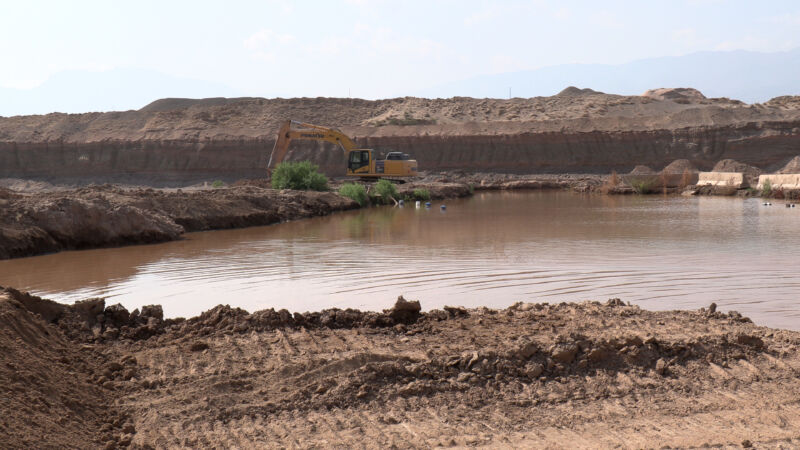
Without fines recovery, valuable material can be displaced to the waste stream. At the same time, these displaced solids continue accumulating in settling ponds, eventually requiring more frequent cleanout or additional storage capacity. These maintenance activities often involve labor, fuel consumption and equipment costs that can add up over time.
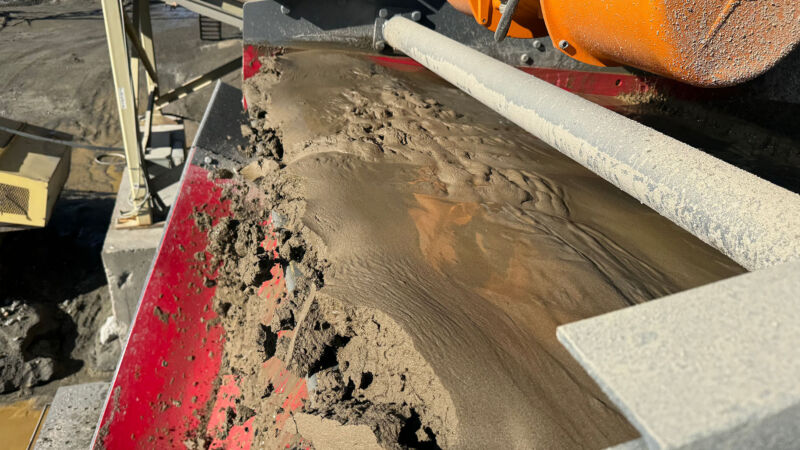
Fines recovery systems help address these challenges by removing recoverable particles before they are discarded. Depending on the system and application, producers can create a drip-free, stackable material that may be sold, blended into existing products or used for site reclamation. Recovering material that would otherwise be considered waste can improve yield and create new revenue opportunities.
Beyond product recovery, fines recovery can also support broader operational goals, including reducing pond maintenance, improving water management and lowering the load on downstream equipment such as thickeners and filter presses.
Understanding Your Fines Recovery Options
When evaluating fines recovery equipment, producers should consider both their current operating challenges and their long-term goals.
Fines Recovery Systems
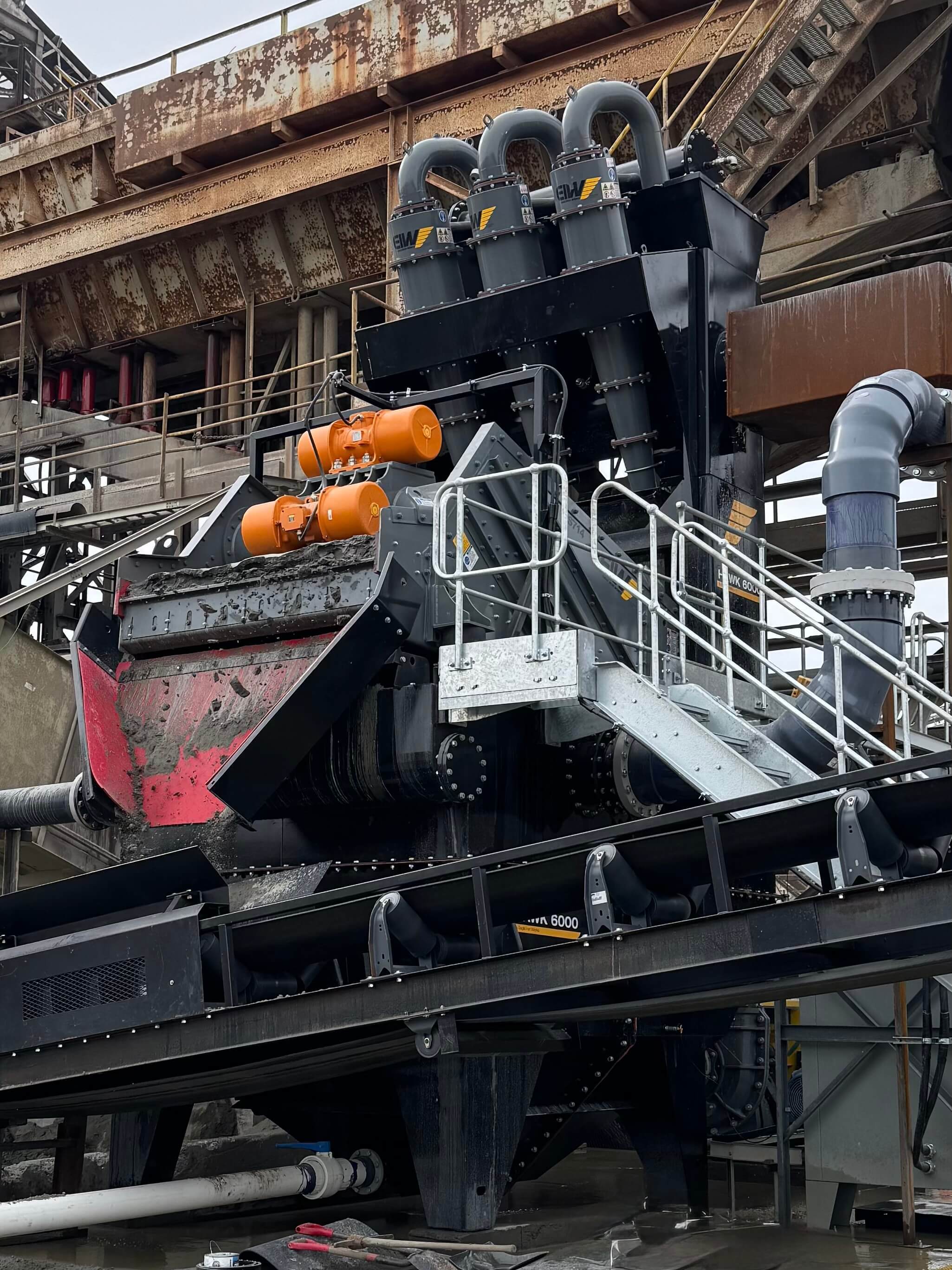
For many sand and gravel operations, a fines recovery plant serves as the first step in managing wash plant waste. These systems typically consist of a sump, pump, hydrocyclones and a dewatering screen working together to separate fine solids from process water. Recoverable particles are captured and dewatered into a stackable product, while water and ultra-fine particles continue downstream for additional processing or disposal.
Fines recovery systems are often an ideal solution for producers looking to:
- Reduce the volume of material reporting to settling ponds
- Recover saleable fine material
- Improve handling of recovered solids
- Lower maintenance requirements associated with pond cleanout
- Prepare material for downstream water recycling equipment
Thickeners
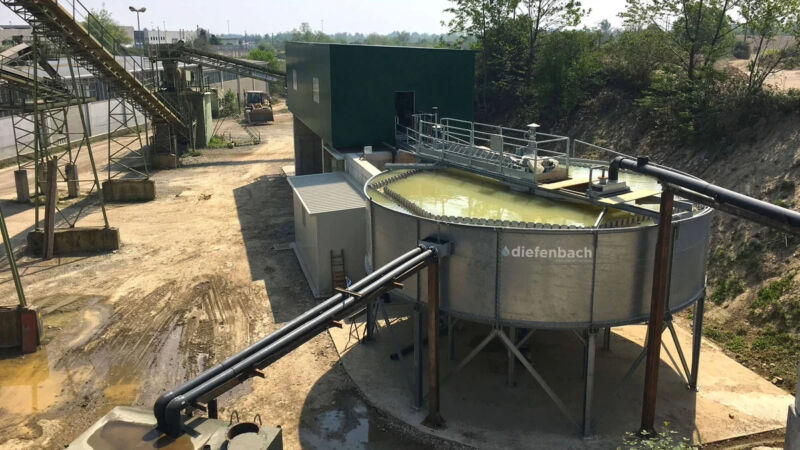
Operations focused on water reuse and tailings management may benefit from incorporating a thickener into their process. Thickeners use chemical reagents to settle suspended solids, concentrating the waste stream while separating reusable process water. The resulting underflow contains a much higher solids concentration than untreated slurry, significantly reducing the volume of material requiring disposal.
Thickeners are often selected when producers want to:
- Recover process water for reuse
- Reduce settling pond size requirements
- Improve overall water management
Filter Presses
For operations seeking the highest level of water recovery and the smallest possible tailings footprint, filter presses offer the best solution. By mechanically separating water from thickened solids, filter presses produce cakes of solids that can be transported and handled without the need for traditional settling ponds. When paired with a thickener, filter presses can recover additional amounts of process water for reuse.
Filter presses are commonly considered when operations aim to:
- Minimize or eliminate settling ponds
- Maximize water recycling
- Reduce tailings storage requirements
- Improve environmental stewardship and site efficiency
Choosing the Right Solution for Your Goals
The best fines recovery strategy depends on the challenges your operation is trying to solve.
If frequent pond cleanouts are consuming labor, equipment time and operating budgets, a fines recovery plant may be the most practical starting point. By removing recoverable solids before they reach the pond, producers can significantly slow pond accumulation and reduce maintenance requirements.
If your operation is investing in water recycling or advanced tailings management, a fines recovery system can improve the performance of downstream equipment. Removing larger recoverable fines before they reach a thickener or filter press reduces the solids load those systems must process, which can lead to improved efficiency and reduced wear.
For producers focused on maximizing profitability, fines recovery may also present opportunities to recover displaced fines and increase overall yield. Even when recovered material is not immediately marketable, it can be stockpiled for future use, blended into existing products or used for site reclamation. What was once considered waste may become a valuable resource as market demands evolve.
A Comprehensive Approach to Fines Management
In many operations, the most effective solution is not a single piece of equipment but a combination of technologies working together. A fines recovery plant can serve as the first stage of processing, followed by thickeners and filter presses that further separate solids and recover water. This integrated approach helps reduce waste volumes, improve operational efficiency and maximize resource utilization throughout the plant.
Finding the Right Fit
Every operation generates a unique waste stream, and every producer has different goals. Whether you're looking to recover more product, reduce settling pond maintenance, improve water recycling or prepare for long-term tailings management, understanding the capabilities of available fines recovery technologies is key.
By evaluating your material, process requirements and operational objectives, you can identify a fines recovery solution that not only addresses today's challenges but also positions your operation for greater efficiency and profitability in the future.