Preparing for Tailings Management: How a Fines Recovery Plant Fits in Your Operation
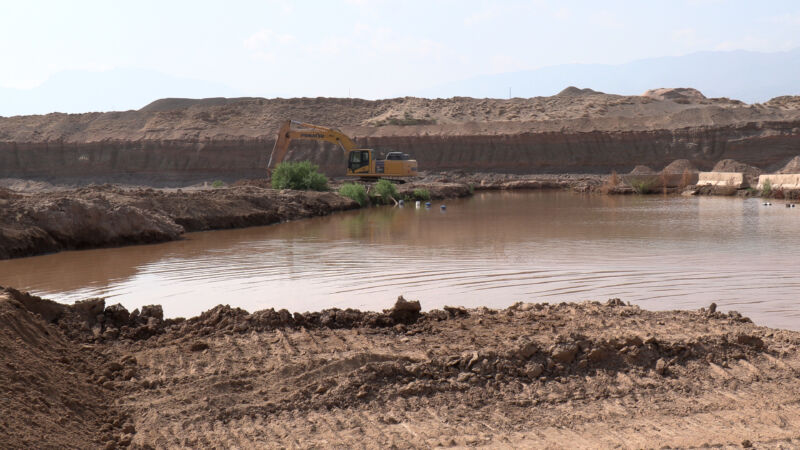
Most aggregate and sand and gravel operations rely on washing systems to produce clean, in-spec products. While washing is essential for product quality, it also creates a waste stream made up of process water, silts, fines and clays. Traditionally, that waste stream is sent directly to a settling pond, where solids gradually accumulate and water is retained for clarification to allow the water to be reused.
Although settling ponds are often considered the simplest and lowest-cost option, they can become increasingly expensive to maintain over time. As solids build up, producers must routinely remove accumulated material or create additional capacity, resulting in ongoing labor, equipment and operational costs.
For producers evaluating long-term tailings management strategies, a fines recovery plant can play an important role. By recovering valuable fine particles before they reach downstream tailings equipment or settling ponds, fines recovery plants help reduce waste volumes, improve system efficiency and prepare operations for more effective tailings management.
Where a Fines Recovery Plant Fits in the Process
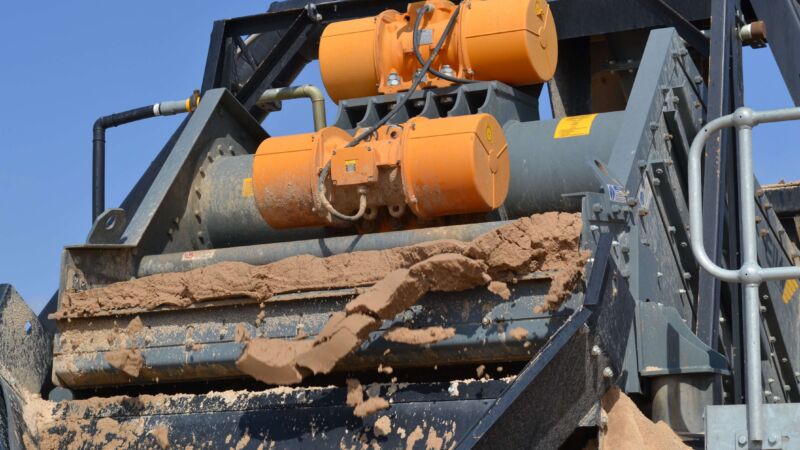
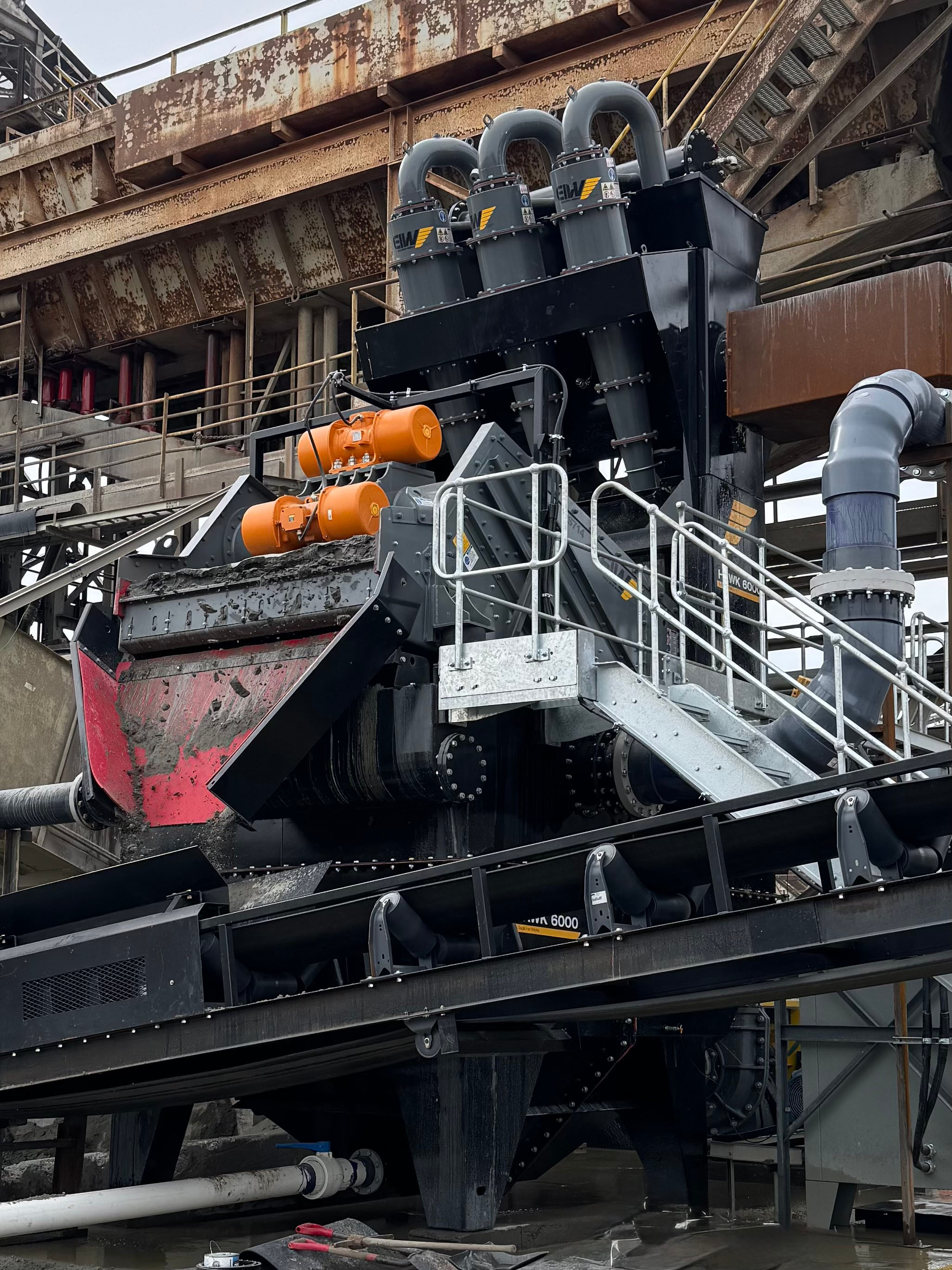
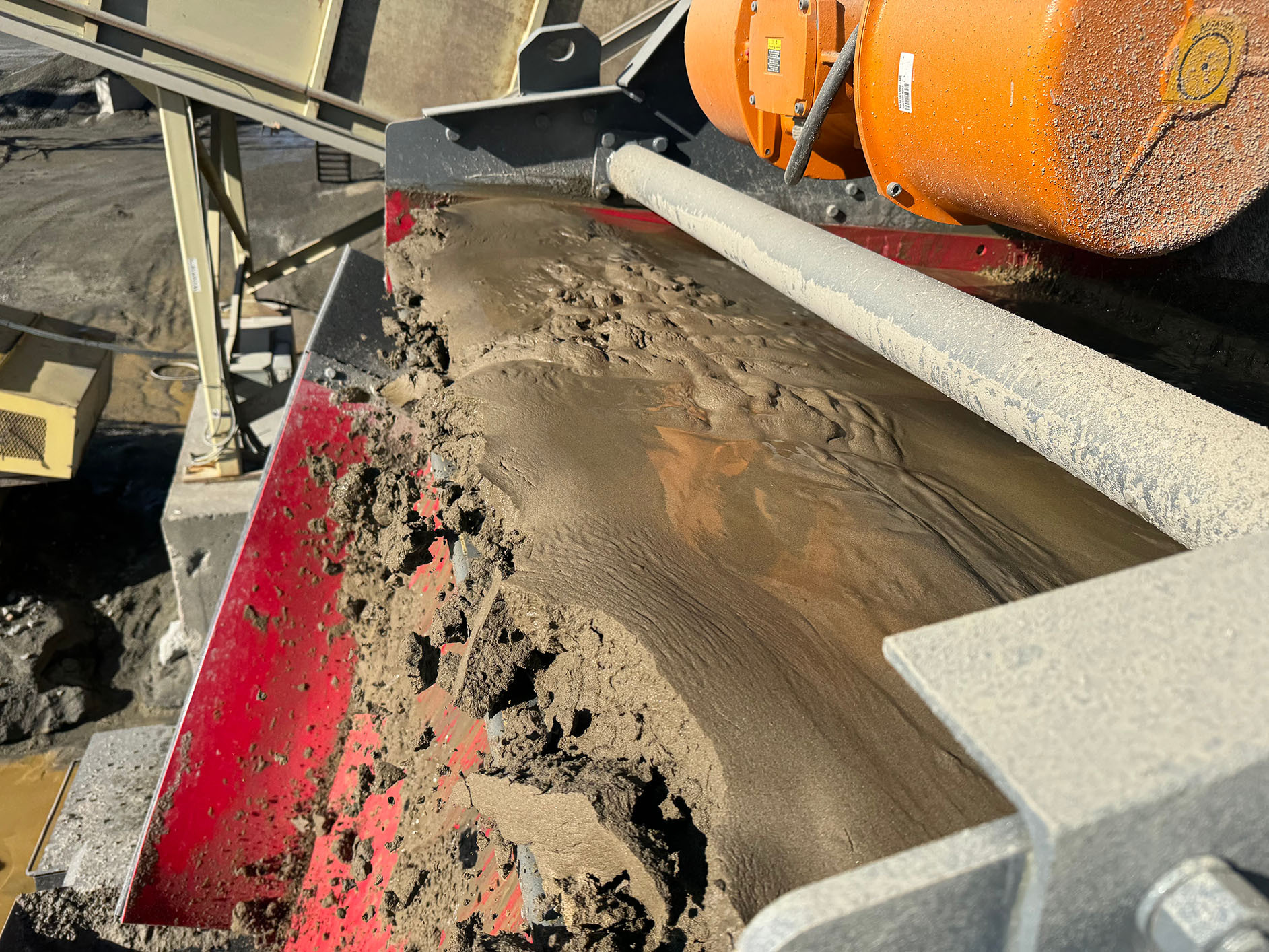
A typical fines recovery plant consists of a sump, pump, hydrocyclones and a dewatering screen. The waste stream from the wash plant enters the sump and is pumped to the hydrocyclones, where liquids and solids are separated. Fine particles down to 400 mesh are captured and directed to a dewatering screen, producing a drip-free material that can be conveyed and stockpiled.
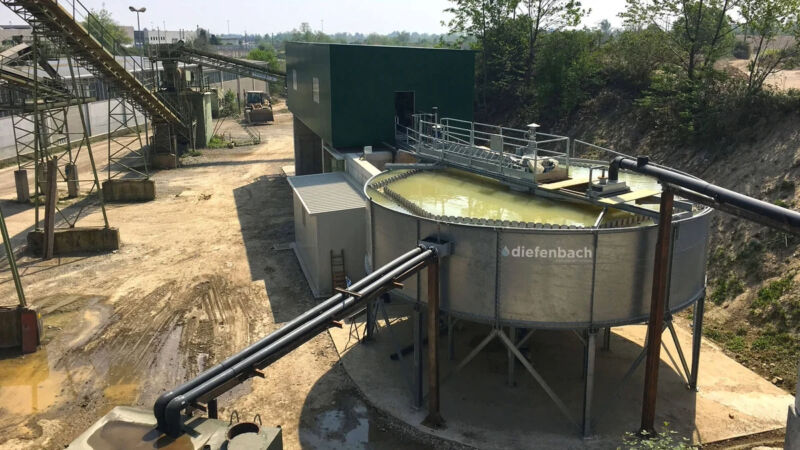
The remaining water and ultra-fine particles continue downstream to a settling pond, thickener, filter press or other tailings management equipment. Because a significant portion of the recoverable solids has already been removed, the downstream equipment receives a lighter solids load and can operate more efficiently.
In many operations, the fines recovery plant serves as the first step in a broader tailings management strategy, bridging the gap between wet processing equipment and advanced water recycling systems.
Reducing the Burden on Settling Ponds
One of the most immediate benefits of a fines recovery plant is the reduction of solids reporting to the settling pond. When recoverable fines are removed before disposal, ponds fill more slowly and require less frequent cleanout.
For producers managing limited space or rising maintenance costs, this can provide significant operational advantages. Less frequent pond cleanout means reduced equipment usage, lower fuel consumption and fewer labor hours dedicated to waste management activities. Instead, personnel and equipment can be focused on productive plant operations.
As operations grow and production demands increase, reducing dependence on settling ponds can become an important component of maintaining efficient throughput and controlling operating costs.
Supporting Downstream Tailings Management Equipment
Many aggregate producers are investing in tailings management and water recycling systems such as thickeners and filter presses. These technologies help recover process water, reduce pond requirements and improve overall site sustainability.
A fines recovery plant can enhance the performance of these systems by removing larger recoverable fine particles before they reach downstream equipment. With fewer solids to process, thickeners and filter presses can operate more efficiently while experiencing less wear and tear. This can help reduce maintenance requirements, minimize downtime and potentially lower capital costs by reducing the size or number of downstream units required.
When incorporated into the process flow ahead of water recycling equipment, a fines recovery plant helps create a more streamlined and effective tailings management system.
Turning Waste Into a Valuable Product
Another compelling reason to incorporate fines recovery into your operation is the opportunity to create value from material that would otherwise be discarded. The dewatered solids discharged from a fines recovery plant are easier to handle than slurry and may have commercial applications.
Depending on local market conditions and material characteristics, recovered fines may be sold as backfill, pond lining material or used in other applications. In some operations, the recovered material can even be blended into existing product streams without affecting specifications.
Even when a direct sales opportunity is not available, recovered fines may be used for site reclamation purposes, helping restore disturbed areas while reducing disposal requirements.
Planning for the Future
Whether you're designing a new plant or looking to improve an existing operation, tailings management should be a key consideration. A fines recovery plant can be a practical first step toward reducing waste volumes, minimizing settling pond maintenance and supporting more advanced water recycling systems.
By recovering valuable fine particles before they become part of the tailings stream, producers can lower operational costs, improve downstream processing performance and potentially create a new revenue source. As the industry continues to focus on efficiency, sustainability and maximizing resource utilization, fines recovery plants are becoming an increasingly important part of a comprehensive tailings management strategy.