Screening
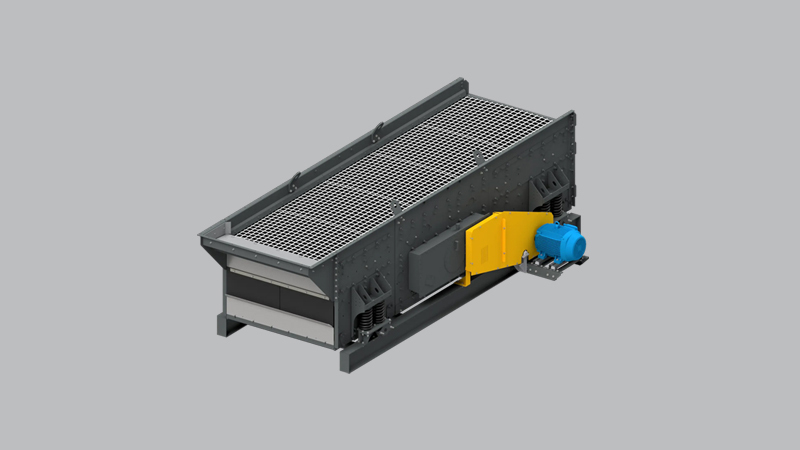
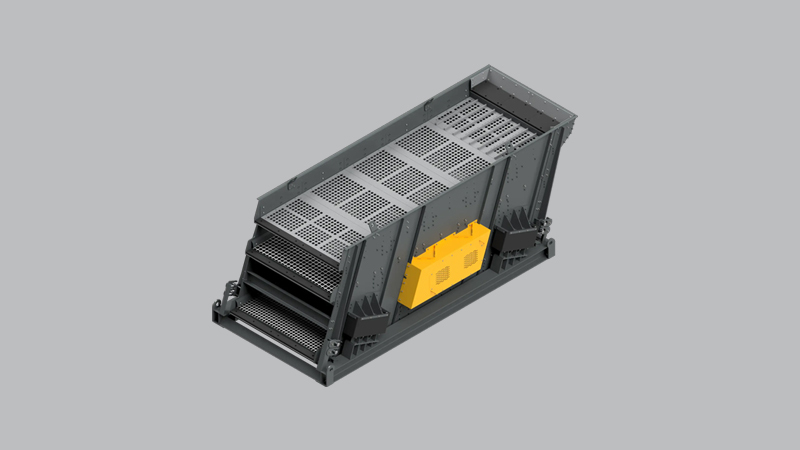
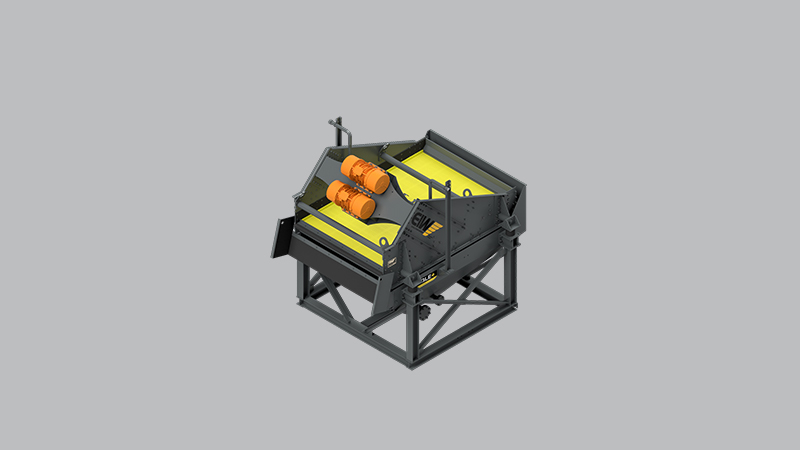
Screening is the process of separating materials based on their size using a screen or sieve. A vibrating or tumbling action is used to separate feed material by size to create various final products. Screen media, panels with precise openings, allow smaller particles to pass through while larger particles remain on top. The effectiveness of screening depends on several parameters including the speed, stroke, rotation direction and inclination angle of the screen.
Why Screening?
Screening is an essential step in processing aggregates to ensure that the material is sorted correctly by size, free of any contaminants and meets the quality standards required for construction projects. Screening can enhance the final product and improve the durability of the materials used. Screens with multiple decks and different opening dimensions can separate materials into various sizes for further processing. By removing undersized or oversized material, screening can help to reduce the load on crushers and other downstream equipment. Screening equipment can be stationary or portable, designed for easy setup and transport.
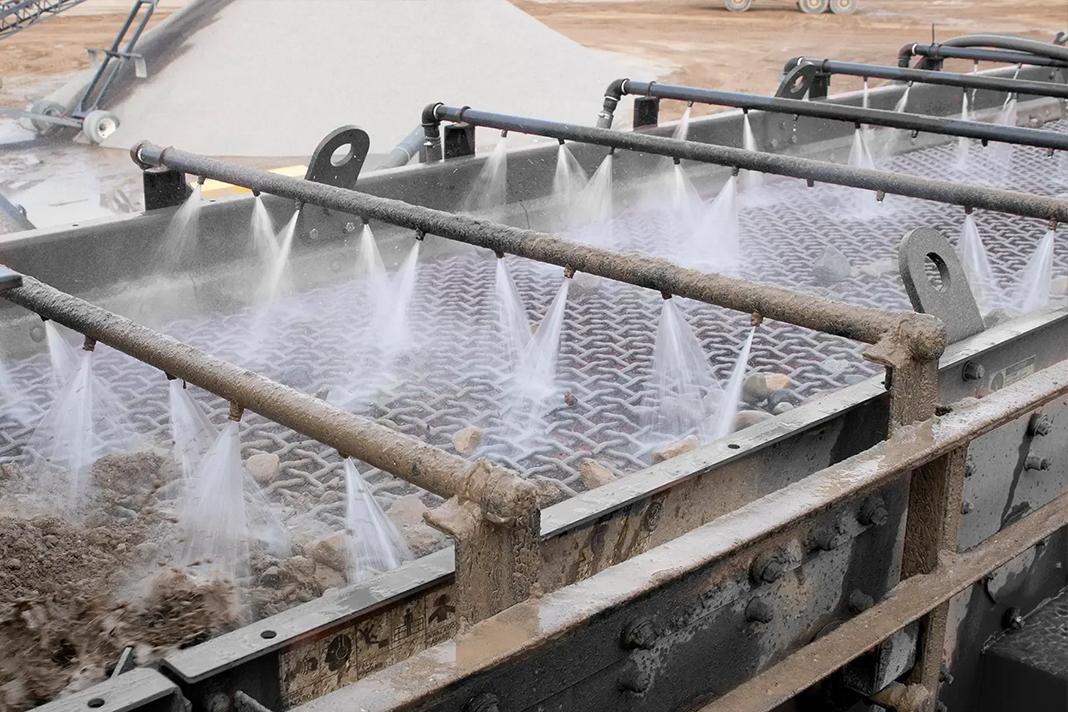
Screening can also aid in washing aggregates as well as separating the materials by size. In a washing application, screens are equipped with spray bars to rinse material after it has been processed by a Log Washer or Coarse Material Washer. Screens can also combine washing and separating to achieve the desired results with one machine.
Why trust Eagle Iron Works with your next project?

Engineering & Design
For specialized applications, customer requirements and complete plants.

End-to-End Support
From point-of-sale throughout the life of the machine.

Process Optimization
Advice on troubleshooting and recommendations for maximizing production.

150+ Years Expertise
Est. in 1872, we aim to solve your most difficult processing applications.
Equipment for Screening
Screening improves the efficiency and productivity of a plant by achieving consistent material quality and size. Screening also helps to improve material workability and produce saleable products while allowing producers to meet regulatory requirements. By removing material already at the desired size, screening minimizes wear on downstream equipment and enhances equipment longevity as a result.
Because many construction materials need to adhere to precise specifications, screening is an extremely important step in aggregate processing. It directly contributes to the quality of a product by ensuring that only the right sized particles are processed and used. Screening also enhances the performance and longevity of construction projects by eliminating impurities and ensuring uniformity of particle sizes.