
The Key to an Efficient Screening Process: Three Mistakes to Avoid
An efficient screening process plays a critical role in supporting higher productivity, consistent product quality, and longer equipment life. However, even well-designed systems can fall short when key setup and operating details are overlooked.
When screening performance begins to decline, operators often face familiar challenges: reduced throughput, excessive carryover or blinding, off-spec material, increased wear on components, and unplanned downtime. These issues don’t just slow production, they can interrupt the entire operation, drive up costs and put excessive wear on equipment.
In many cases, these problems can be traced back to a few common, yet costly, mistakes. From improper screen media selection, to operating at the wrong speed or angle, to neglecting routine maintenance, small oversights can lead to big inefficiencies. In this blog, we’ll break down the three most frequent screening mistakes and explain how avoiding them can help optimize performance and extend the life of your equipment.
Mistake #1: Improper Screen Media Selection and Installation
Selecting screen media for your operation is an extremely important consideration when deciding what is best for your plant’s performance. When choosing screen media, it is essential to consider both the size and type of material that will pass through the screen.
Generally, woven wire screens are suitable for most applications and should be the first option unless the material is likely to cause excessive wear or damage. For dry, coarse materials that are particularly abrasive, rubber screen panels may be a better choice if wire screens cannot withstand the material’s toughness. Changes in screen media can aid in fixing a plugged screen; however, in some extreme scenarios, equipment before the screen may need adjusting.
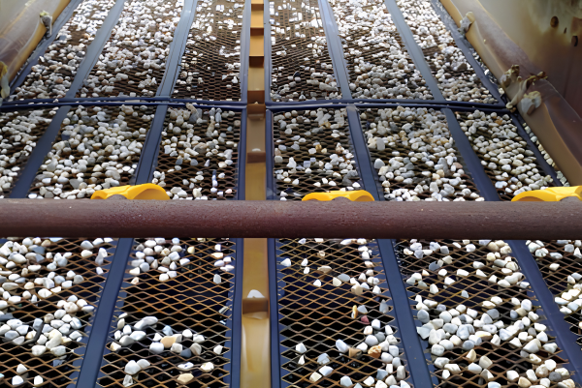
Choosing the wrong screen media can have many negative effects on operations and can lead to bigger and more costly mistakes. To avoid these mistakes, it is important to consider the material characteristics (size, weight, moisture, abrasiveness) to select the correct media. Using screen media that doesn’t meet the needs of your material can lead to consequences such as reduced efficiency, increased wear and product contamination.
Correct media installation directly impacts the performance quality of your whole screening process. Rigid or poorly matched screen media can often lead to uneven material distribution and material buildup. Poor media installation and alignment issues can increase the risk of plugging and blinding due to gaps between panels where material can fit through. Plugging and blinding can cause unnecessary downtime and additional maintenance costs.
There are several best practices to help avoid common screening issues such as plugging and blinding, one being to utilize a more flexible screen media. Flexible screen media can offer several benefits including improved stratification and reduced blinding. This type of media can also have appositive impact on screening efficiency and the lifespan of the equipment.
Mistake #2: Operating at the Wrong Speed and Angle
Incorrect operational settings can negatively affect even the most efficient equipment and media.
Setting the operating speed too fast can cause material to be ejected from the screen deck while limiting the amount of time retained material has to penetrate through the opening. High speed can also create risks for equipment operators including injuries from ejected material and hearing damage from excessively loud vibrations.
When the speed is set too low, the amount of material that can be processed through the screen deck is minimized, leading to material buildup from a lack of vibration. This buildup can lead to excessive damage to the screen.
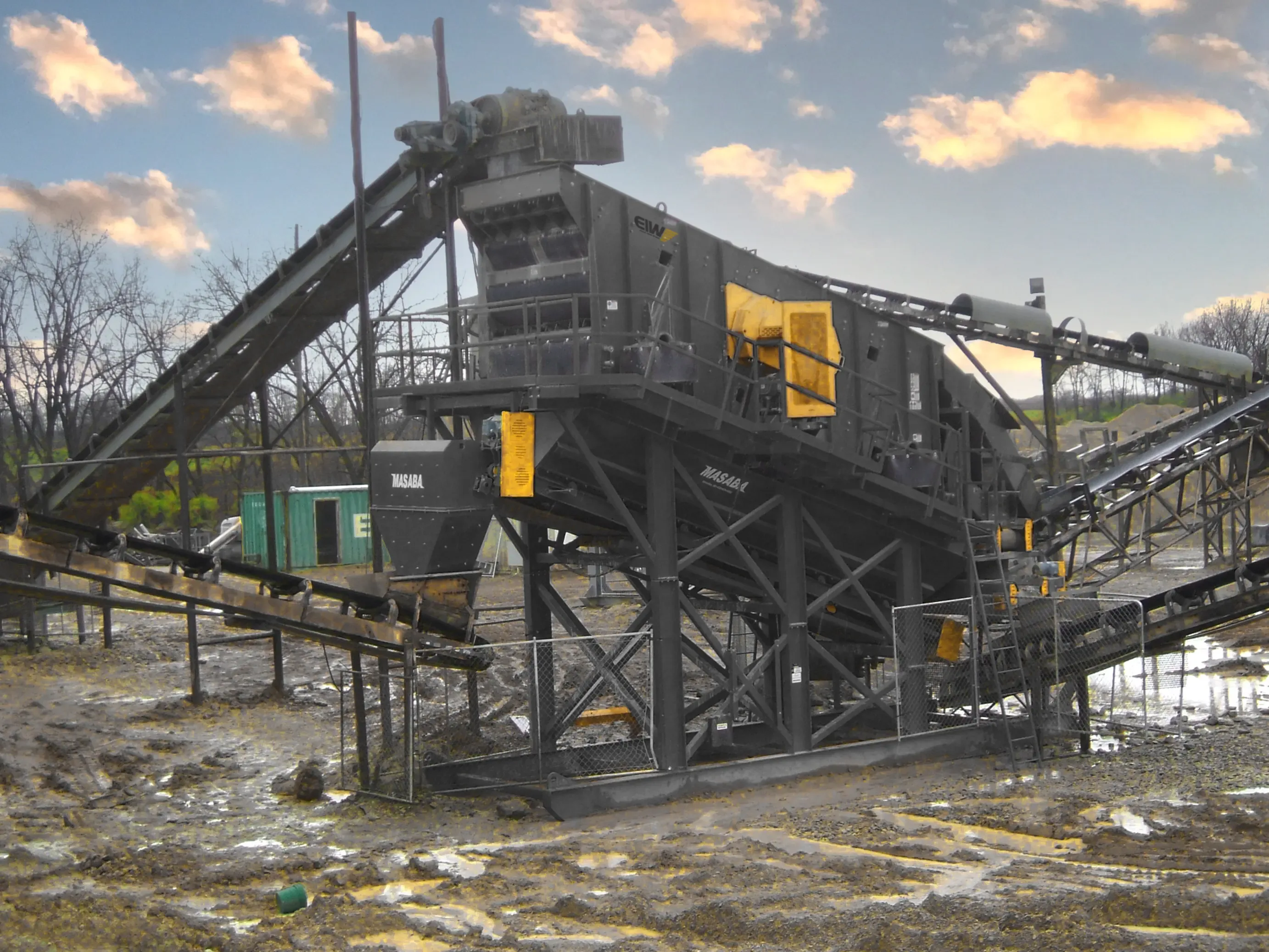
Similar to speed, operating at the wrong angle can negatively affect the outcome of a screening process. To determine the correct angle for your screen, you can perform test runs with less material to know how to adjust the angle moving forward. Because the angle can directly affect the amount of stratification, it is important to take material characteristics, such as size, into consideration. Generally, larger material needs a lower incline while smaller material needs a higher angle. It is important to keep in mind that too high of an angle can cause materials to move too quickly leading to too improper separation. On the other hand, running at too low of an angle can cause materials to pile up on the screen.
Mistake #3: Lack of Equipment Maintenance
Maintaining your screening equipment is important throughout the entire screening process. Even minor neglect can lead to major inefficiencies.
Some common maintenance oversights include worn screen media, loose hardware, damaged sidewalls or buildup on the decks.
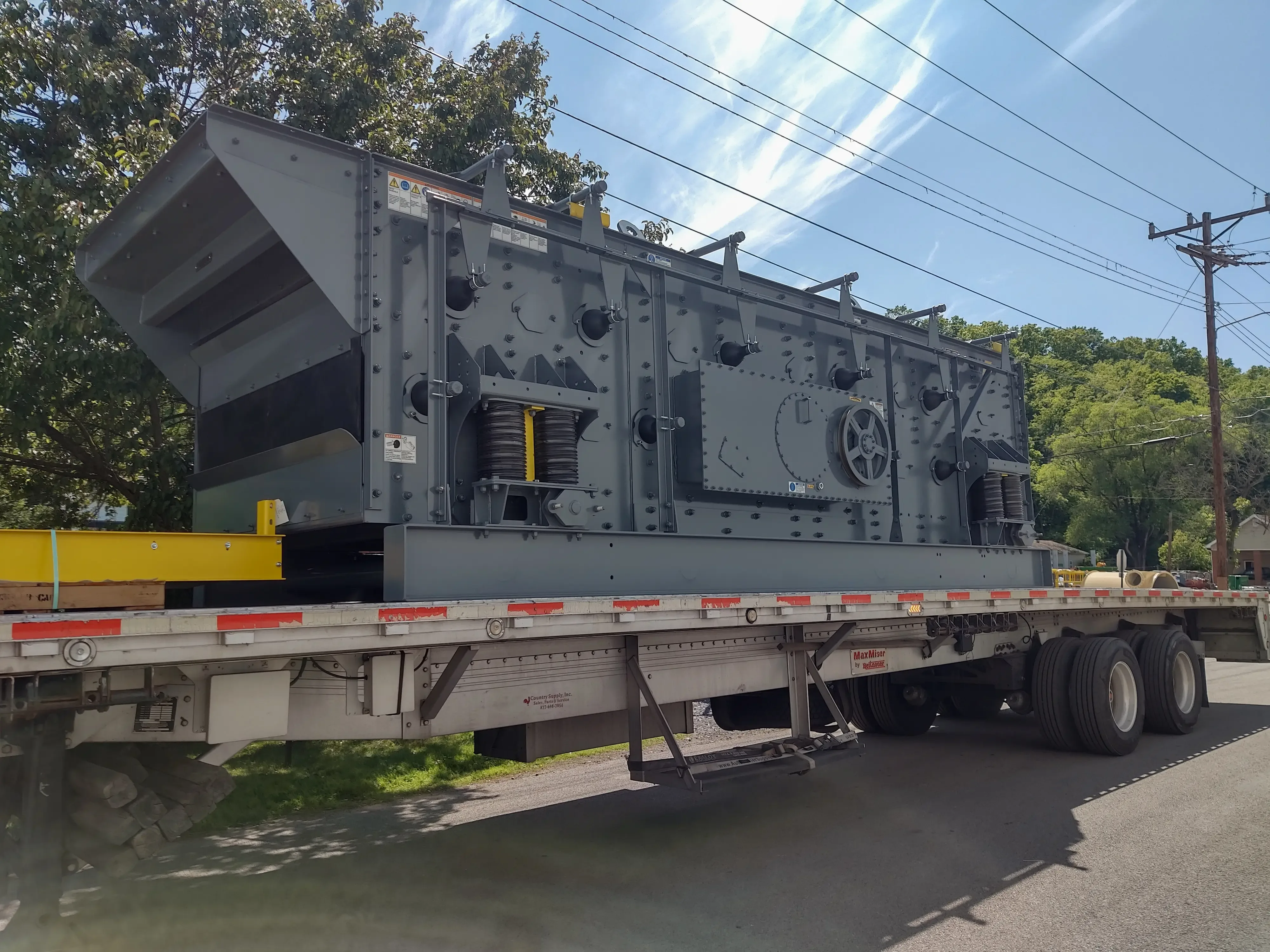
Poor maintenance often results in increased downtime and higher repair costs. It can also lead to reduced screening accuracy and throughput. Lastly, it can create more safety risks leading to a dangerous working environment for operators.
Conducting routine maintenance and scheduled replacements is one way to ensure your screen is operating correctly and efficiently. Following cleaning protocols can help to keep the screen surfaces clear of dirt and material buildup. Tracking wear patterns also allows operators to predict failures early and be more prepared for when they happen.
An efficient screening process is the result of informed decisions, precise operation and consistent upkeep. By avoiding common mistakes like improper screen media selection, incorrect speed and angle settings and neglecting routine maintenance, operations can significantly improve performance, reduce downtime and extend the life of their equipment. Small adjustments in how your screening process is set up and maintained can deliver measurable improvements in productivity and product quality.