Why Scrubbing Matters: The Key to Producing Clean, In-Spec Aggregate
Clean aggregate often requires more than a wash screen. Aggregate products must be clean and free of contaminants that can negatively affect their quality and functionality. Deleterious materials can break down quickly, compromising the durability and long-term performance of construction projects.
Effective scrubbing is a critical step in aggregate processing. By removing unwanted contaminants, producers can consistently meet product specifications, improve operational efficiency and maximize the value of their material. Often times, following wet screening, scrubbing aggregates is necessary.
What Is Aggregate Scrubbing?
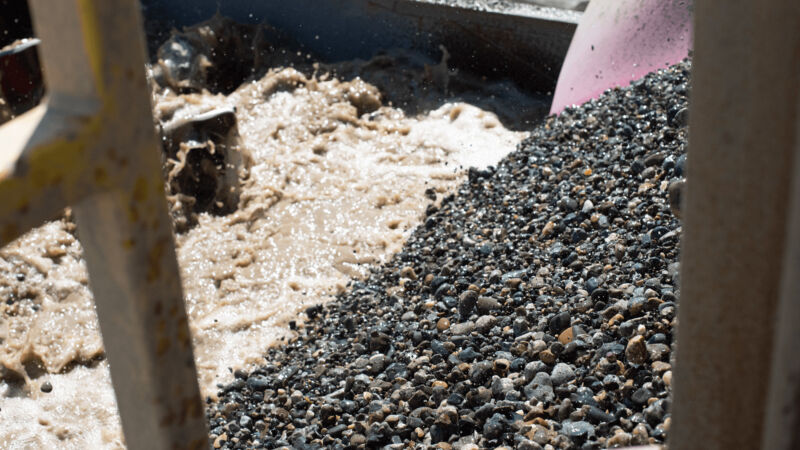
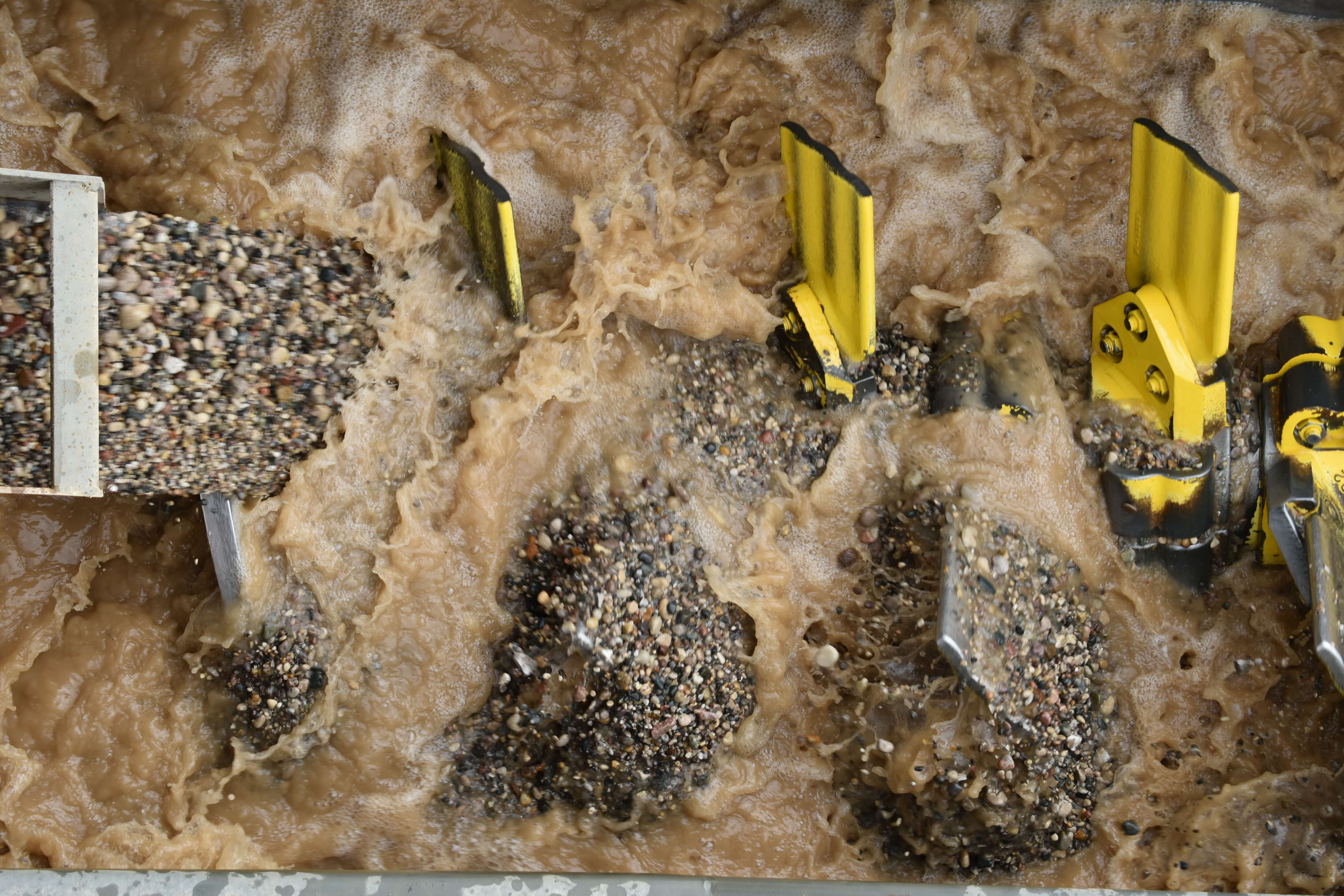
Scrubbing is the process of cleaning aggregate through vigorous particle-on-particle attrition that removes stubborn coatings, clay contamination and other deleterious materials from the surface of the rock. While traditional washing with a vibrating screen is effective at rinsing away loose fines, some contaminants are too firmly attached to be removed through washing alone. These contaminants may require scrubbing, which uses mechanical action to break apart clay lumps, separate surface coatings and liberate embedded impurities.
Scrubbing results in a cleaner, higher-quality aggregate product that meets specifications and delivers greater market value.
The Hidden Problem: Contaminants in Raw Material
Many aggregate and mineral operations process coarse materials such as rock, stone and gravel larger than ¼” (6 mm). However, these valuable resources often contain unwanted contaminants, including mud, crusher dust, sticky clay and other adhered fines that can reduce product quality. Typical scrubbing applications include clay-bound gravel deposits, weathered limestone, sand and gravel with sticky clay fractions, and recycled aggregates containing attached debris or residual materials. Effective scrubbing is essential to liberate and remove these contaminants, ensuring the final product meets quality and specification standards.
Equipment Used for Scrubbing
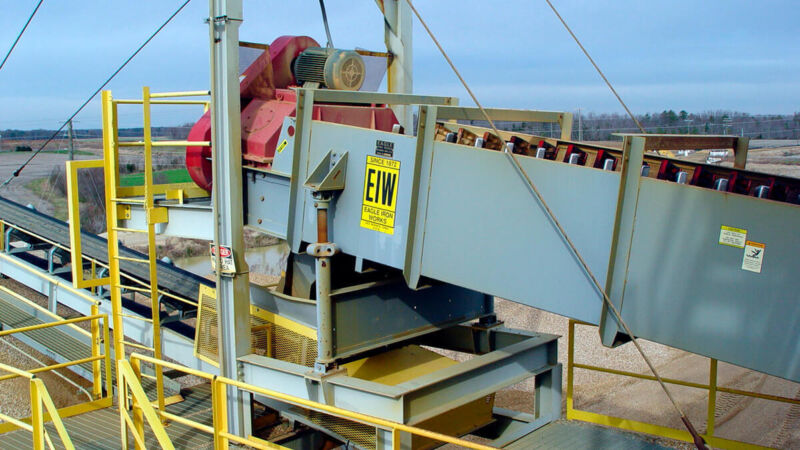
Several types of equipment are used for scrubbing, depending on the feed material and the severity of contamination. Attrition Scrubbers provide high-intensity scrubbing in sand and are ideal for removing tightly adhered contaminants. Blade Mills are designed to break down and liberate light, loamy clay from a rock and sand feed or coarse aggregates. Coarse Material Washers scrub and clean gravel and crushed stone while simultaneously removing unwanted fines. For the most challenging applications, Log Washers deliver heavy-duty scrubbing capable of removing tough, insoluble plastic clays from coarse aggregate feeds.
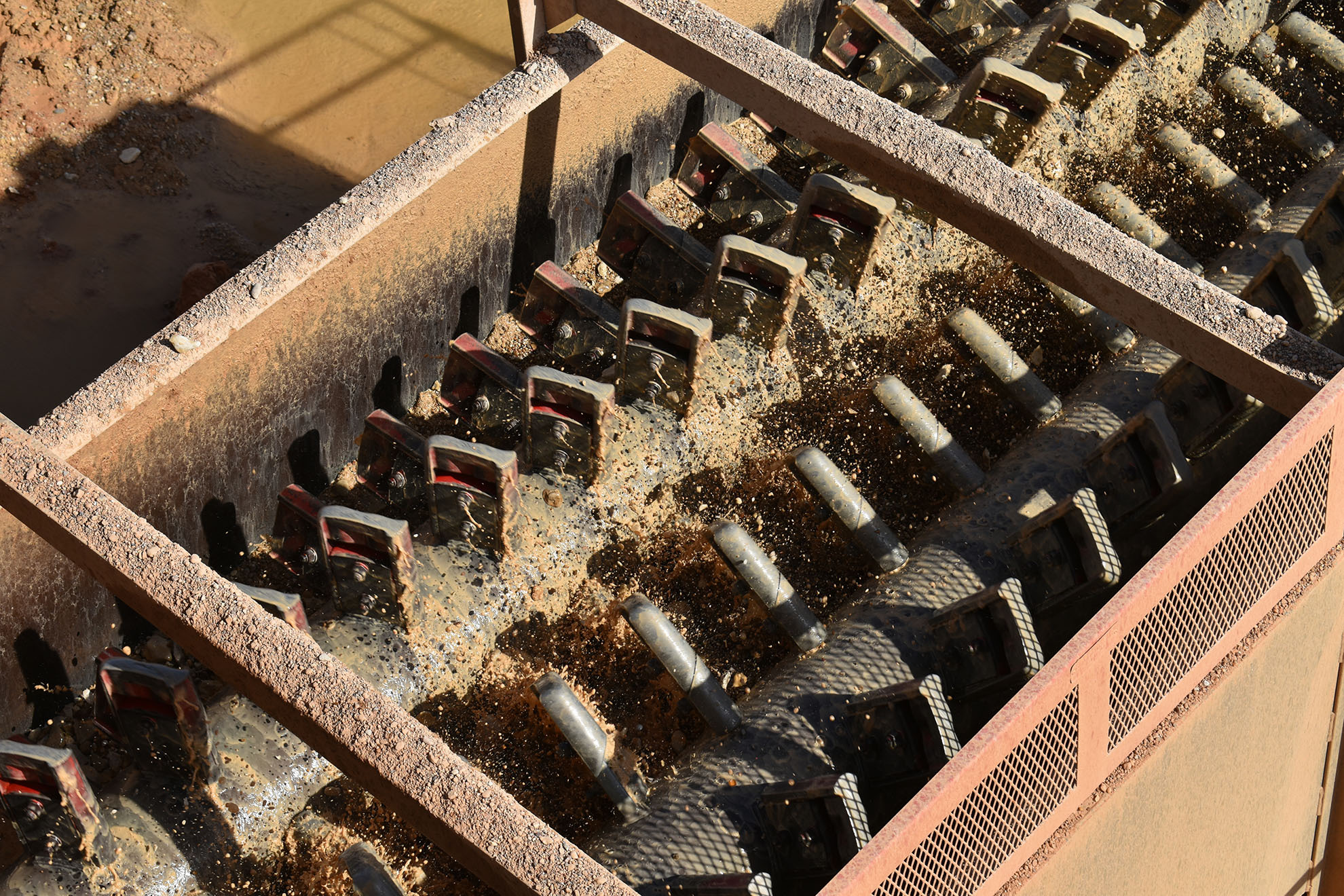
Selecting the right scrubbing equipment is essential to achieving the desired product quality, maximizing plant efficiency, and ensuring the rock or sand product meets end-use requirements.
Running a simple soak test on clay or mud contaminants can help indicate which type of scrubbing equipment may be required.
How Contaminants Affect Performance
Contaminants such as clay and silt can significantly impact the performance of finished products. For example, clay in aggregate used for concrete production can increase water demand due to its ability to absorb moisture. In both concrete and asphalt applications, clay contamination can weaken the final structure, reducing strength and potentially leading to costly performance issues over time.
Why Scrubbing Matters for Producing In-Spec Aggregate
- Improves Material Cleanliness: Scrubbing removes stubborn coatings that screening and washing alone cannot eliminate.
- Helps Meet Industry Specifications: Scrubbing material reduces the risk of off-spec material shipments and supports compliance with DOT and project-specific requirements.
- Increases Product Value: Cleaner material commands higher market value and acceptance. Scrubbing allows producers to create a more saleable product from challenging deposits.
- Improves Downstream Processing Efficiency: Scrubbing can enhance screening performance and reduce the carryover of fines and contaminants. It also helps to minimize operational maintenance issues caused by material buildup.
Choosing the Right Scrubbing Solution
Selecting the right scrubbing equipment begins with understanding the characteristics of the contaminant in the feed material. Aggregate sources can vary significantly, from limestone and granite quarries to alluvial and dredged sand and gravel deposits. The type and severity of contamination, particularly the presence of clay, mud, crusher fines or organic debris, often determine the level of scrubbing required. A material that can be cleaned with light agitation may only require a Coarse Material Washer, while feeds containing stubborn plastic clays may demand the more aggressive action of a Log Washer.
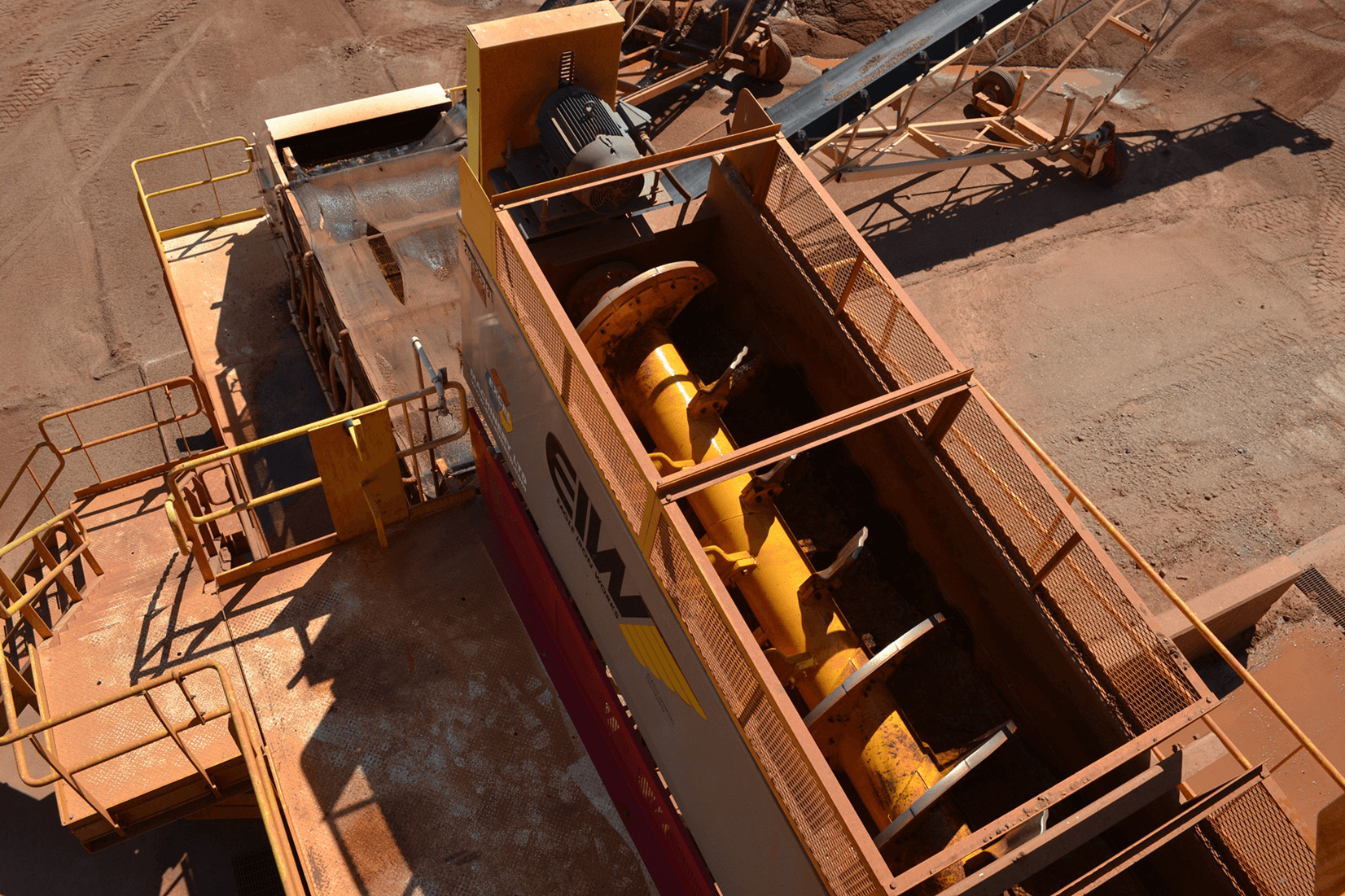
One of the most important factors in equipment selection is identifying the type of clay present in the material. Aggregate producers commonly perform soak or wash tests to evaluate how contaminants behave when exposed to water. Soluble clays and muds that readily break down may be effectively removed with lighter-duty scrubbing equipment, while plastic or insoluble clays that remain intact after soaking often require heavy-duty scrubbing like in a Log Washer. These tests provide valuable insight into the amount of mechanical action needed to produce clean, specification-grade products.
Feed size and plant capacity also play a critical role in determining the appropriate scrubbing solution. Different machines are designed to handle specific top feed sizes and tonnage requirements. For example, Coarse Material Washers and Blade Mills are typically used for 2 to 3 inch-minus materials, while Log Washers can process larger feed sizes and deliver more intensive scrubbing. Producers must balance throughput requirements with scrubbing intensity, as increasing retention time and agitation can reduce overall capacity.
By considering contaminant characteristics and their amount, feed size, throughput goals, and more, producers can select a scrubbing solution that delivers both increased product quality and long-term efficiency.
Scrubbing is more than just a step in the washing process; it allows for quality control of your final product. Investing in proper scrubbing equipment and processes helps aggregate producers consistently deliver cleaner, higher-value, in-spec materials while maximizing operational efficiency.