
Maintenance Tips and Best Practices for Your Sand Washing Plant
Keeping your sand washing plant operating efficiently is critical to maximizing production, ensuring product quality and minimizing costly downtime. Whether you’re working with fine material washers, classifying tanks or other aggregate washing equipment, a proactive maintenance strategy makes all the difference.
Drawing from proven industry practices and insights, here’s a comprehensive guide to maintaining your sand washing plant and extending the life of your equipment.
Why Maintenance Matters
Sand washing plants are designed to remove impurities like clay, silt and dust while producing specification-grade sand for construction and industrial uses.
Because these systems operate in wet, abrasive conditions and process high volumes of material, components are constantly exposed to wear and stress. Without proper maintenance, operations can quickly face issues such as reduced efficiency, excess fines loss and unplanned downtime.
Without proper care, wear and tear can lead to:
- Reduced production efficiency
- Poor sand classification and quality
- Increased downtime and repair costs
- Shortened equipment lifespan
A structured maintenance plan helps prevent these issues before they impact your operation. A proactive maintenance approach allows operators to:
- Improve equipment reliability
- Maintain consistent sand classification
- Extend equipment lifespan
- Reduce emergency repairs and downtime
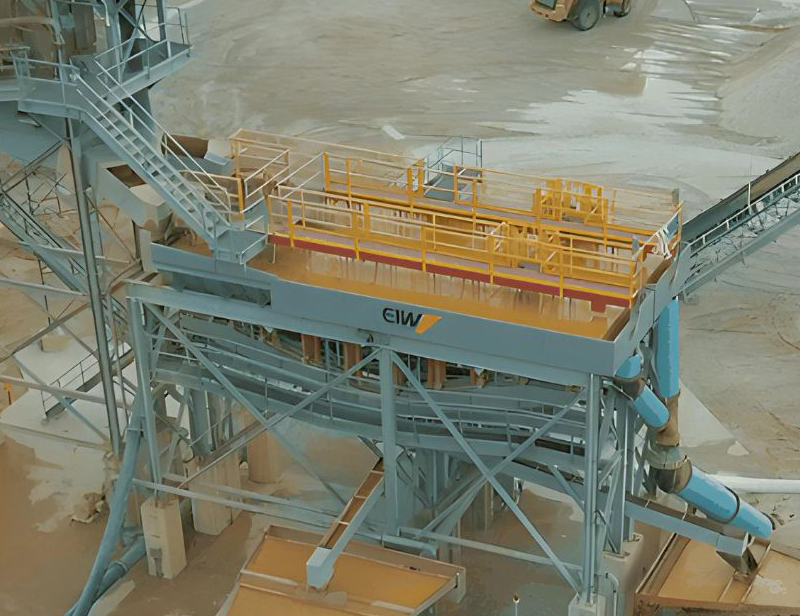
1. Conduct Regular Visual Inspections
Routine inspections are your first line of defense. Make it a habit to visually assess your equipment daily or weekly depending on usage.
What to look for:
- Excessive wear on paddles, screws and liners
- Loose bolts or structural components
- Leaks in water lines or seals
- Unusual vibration or noise
Catching small issues early prevents larger, more expensive failures later.
2. Monitor Wear Components Closely
Components like screw shafts, paddles, flights and weirs are constantly exposed to abrasive materials, naturally degrading over time.
Best practices:
- Measure wear at regular intervals
- Replace parts before they fail completely
- Keep critical spare parts on hand
Running equipment with worn components can reduce efficiency and negatively impact sand quality.
3. Maintain Proper Lubrication
Lubrication is essential to reducing friction and preventing premature wear in bearings and gearboxes.
Key tips:
- Follow the manufacturer’s lubrication schedule
- Use the correct type and grade of lubricant
- Avoid over-lubrication, which can damage seals
- Check for contamination (water, sand, debris)
Proper lubrication ensures smoother operation and longer equipment life.
4. Keep Equipment Clean
Sand washing plants naturally collect buildup over time, especially in hard-to-reach areas.
Cleaning routines should include:
- Removing material buildup from tanks and screws
- Flushing out sediment and debris
- Keeping walkways and access points clear
Clean equipment not only operates better but also makes inspection and maintenance easier.
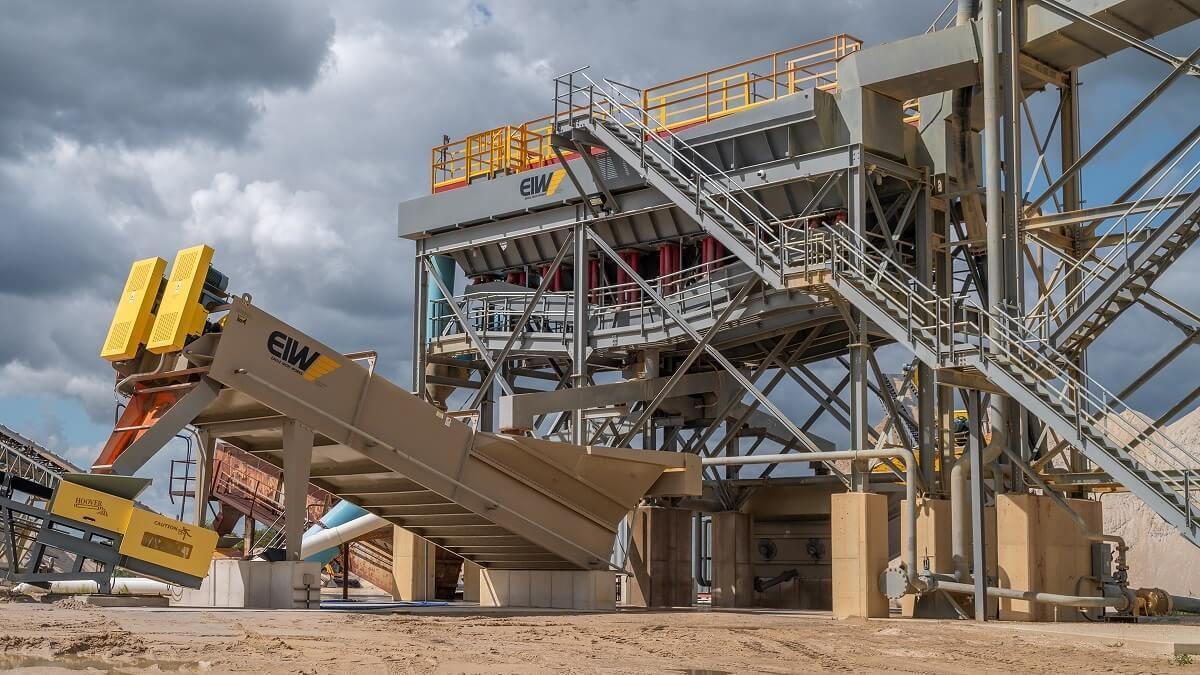
5. Maintain Proper Water Flow and Settings
Water plays a critical role in classification and washing efficiency. Improper water flow can lead to poor separation and product loss.
Check regularly:
- Water pressure and flow rates
- Weir settings in classifying tanks
- Spray bars and nozzles for clogs
Consistent water management helps maintain optimal sand gradation and recovery.
6. Align and Level Your Equipment
Improper alignment or leveling can cause uneven wear, poor performance and mechanical stress.
Focus areas:
- Ensure screws and shafts are aligned correctly
- Check tank level and support structures
- Correct any shifting or settling foundations
Even slight misalignment can significantly impact long-term performance.
7. Protect Against Corrosion
Because sand washing plants operate in wet environments, corrosion is a constant concern.
Prevention strategies:
- Use coatings or protective finishes when applicable
- Inspect for rust and address it early
- Store equipment properly during downtime
Corrosion control helps maintain structural integrity and extends equipment lifespan.
8. Train Operators and Maintenance Teams
Even the best equipment requires knowledgeable operators.
Invest in training to ensure:
- Proper startup and shutdown procedures
- Early identification of performance issues
- Safe and effective maintenance practices
Well-trained teams are more likely to catch problems early and operate equipment efficiently.
9. Develop a Preventative Maintenance Schedule
A structured maintenance schedule ensures nothing gets overlooked.
Include:
- Daily, weekly and monthly inspection checklists
- Scheduled part replacements
- Lubrication intervals
- Seasonal maintenance tasks
Documenting maintenance activities also helps track performance trends over time.
10. Monitor Performance Metrics
Tracking performance data helps identify inefficiencies before they become serious problems.
Key metrics to track:
- Production output
- Sand gradation consistency
- Equipment downtime
- Water usage
Sudden changes in performance often indicate underlying mechanical issues.
11. Address Issues Immediately
Delaying repairs can turn minor problems into major breakdowns.
If you notice unusual sounds or vibrations, decreased throughput, or poor sand quality, act quickly. Prompt repairs reduce downtime and prevent further damage.
Maintaining a sand washing plant requires a combination of routine inspections, proactive maintenance, and proper operational practices. From monitoring wear parts and optimizing water flow to ensuring correct equipment settings, every detail plays a role in keeping your plant running efficiently.
By following these maintenance tips and best practices, operators can increase uptime, improve product quality and extend the life of their equipment, ultimately driving greater profitability and long-term success.