
Tips for Properly Maintaining Aggregate Washing Equipment
Proper maintenance is the key to keeping aggregate washing equipment operating efficiently and reliably. From preventing premature wear to maximizing throughput and product quality, a proactive maintenance approach can significantly extend the life of your equipment.
In this blog, you’ll find practical tips and best practices covering Log Washers, Fine and Coarse Material Washers, Classifying Tanks, and Sol-Clay Washers, along with common mistakes to avoid and proven strategies to keep each machine running at peak performance. Each of these is an excerpt from a longer post with more specific details on machine upkeep and best practices.
Best Practices for Log Washer Longevity
Log Washers are designed for tough, heavy-duty scrubbing applications including the removal of insoluble plastic clays, breaking up agglomerated material and prepping stone for further washing. Because they are constantly exposed to abrasive material, regular upkeep is essential to reduce downtime and extend the life of the machine.
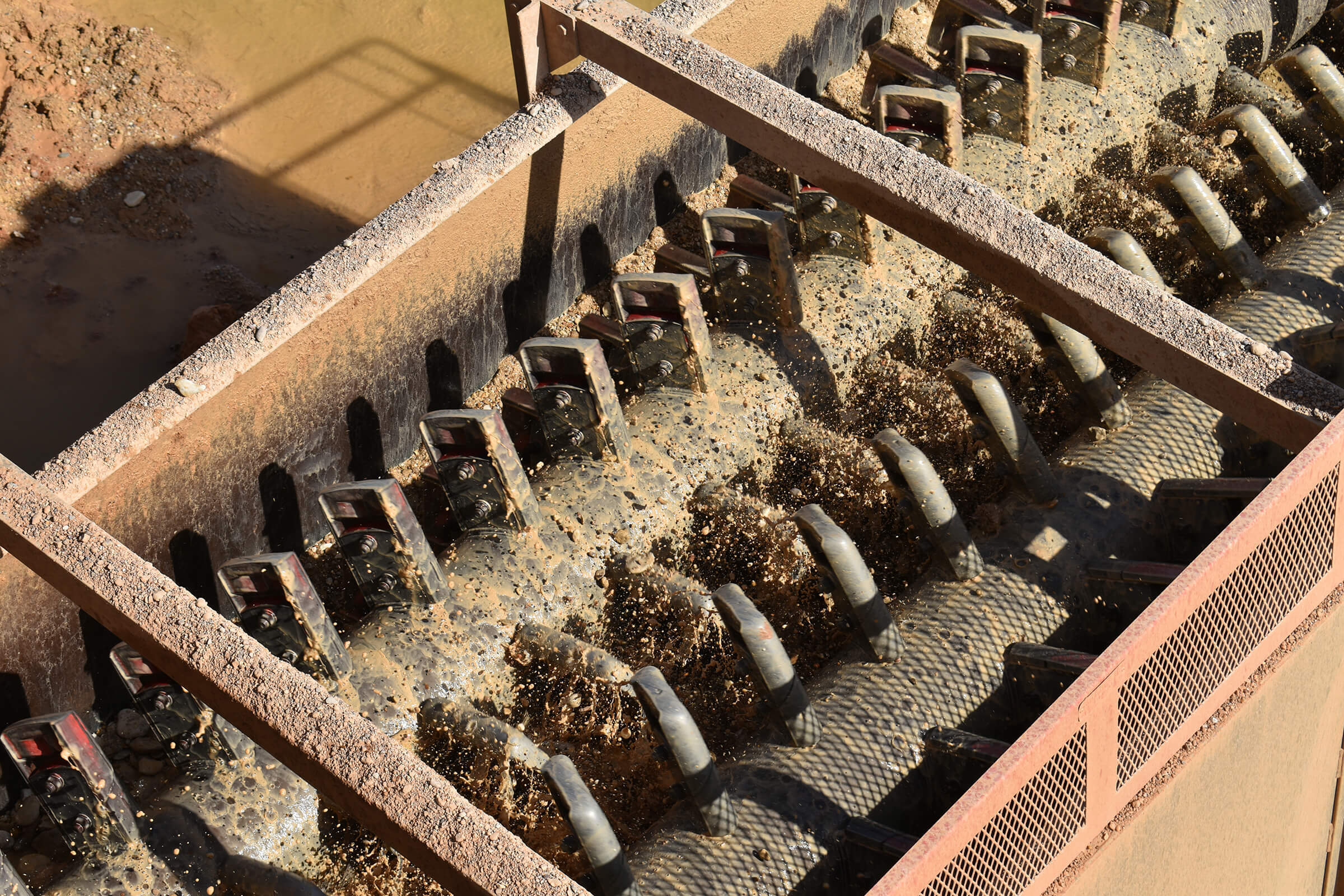
Proper maintenance and a regular inspection schedule are your first line of defense against major repairs and unexpected failures.
Daily (or per shift) checks can include but are not limited to:
- Inspect paddles or shoes for signs of excessive wear
- Check gear reducer oil levels
- Monitor for any unusual vibrations, noises or heat
Weekly (or every 40 hours):
- Examine chain or belt for proper tension and signs of wear
- Tighten accessible bolts, nuts and fasteners
- Examine gear reducer and outboard bearing for potential seal leaks
- Inspect tub liners for damage or wear
Log Washer paddles, shafts and liners are exposed to extreme wear, making regular inspection and maintenance critical. Worn paddles reduce scrubbing efficiency and should be replaced before they wear down to the mounting arms. Many paddle designs are reversible, allowing for additional use before requiring full replacement. Bearings require consistent greasing, while shafts should be checked frequently for straightness, secure mounting and vibration. Liners protect the washer tub from abrasion and must be replaced as soon as coverage is compromised to prevent structural damage.
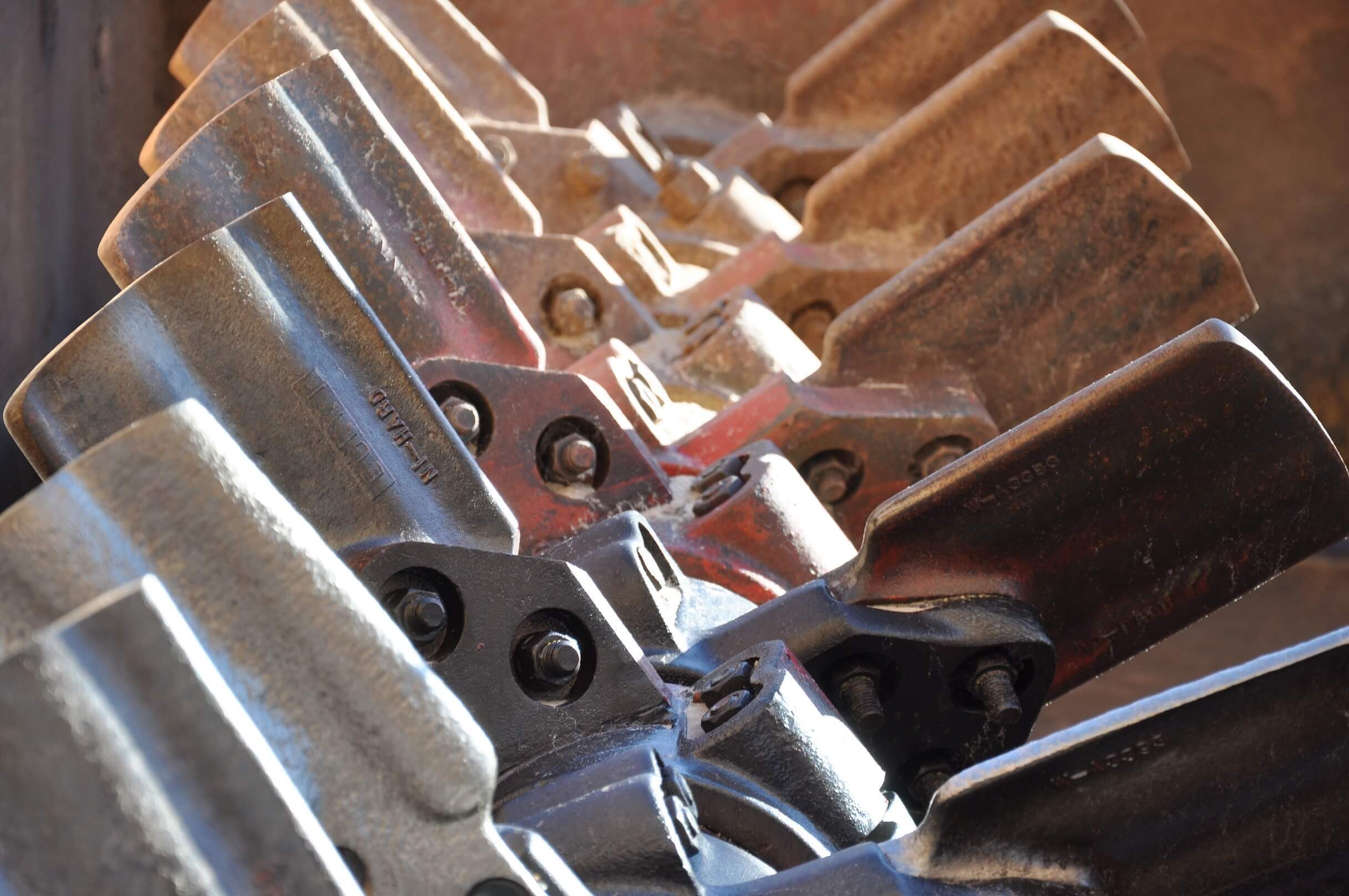
Gear reducers and drives require consistent maintenance to prevent unexpected failures and costly downtime. Operators should check oil levels daily and pay close attention to any signs of contamination or water infiltration. Regularly adjusting and lubricating chains and belts, along with keeping all safety guards properly secured, supports both equipment longevity and safe operation.
Planned downtime and seasonal shutdowns are a great opportunity for operators to perform deeper inspections and service. In preparation for peak season, it is important to stock up on high-wear parts and consider ordering OEM rebuild kits.
Keeping Your Sol-Clay Washer Running Like New
Sol-Clay Washers fall between Coarse Material Washers and Log Washers in terms of scrubbing strength. Their intermeshing, corrugated paddles provide particle-on-particle abrasion to break down water-soluble clays and flush them through the side discharge gates.
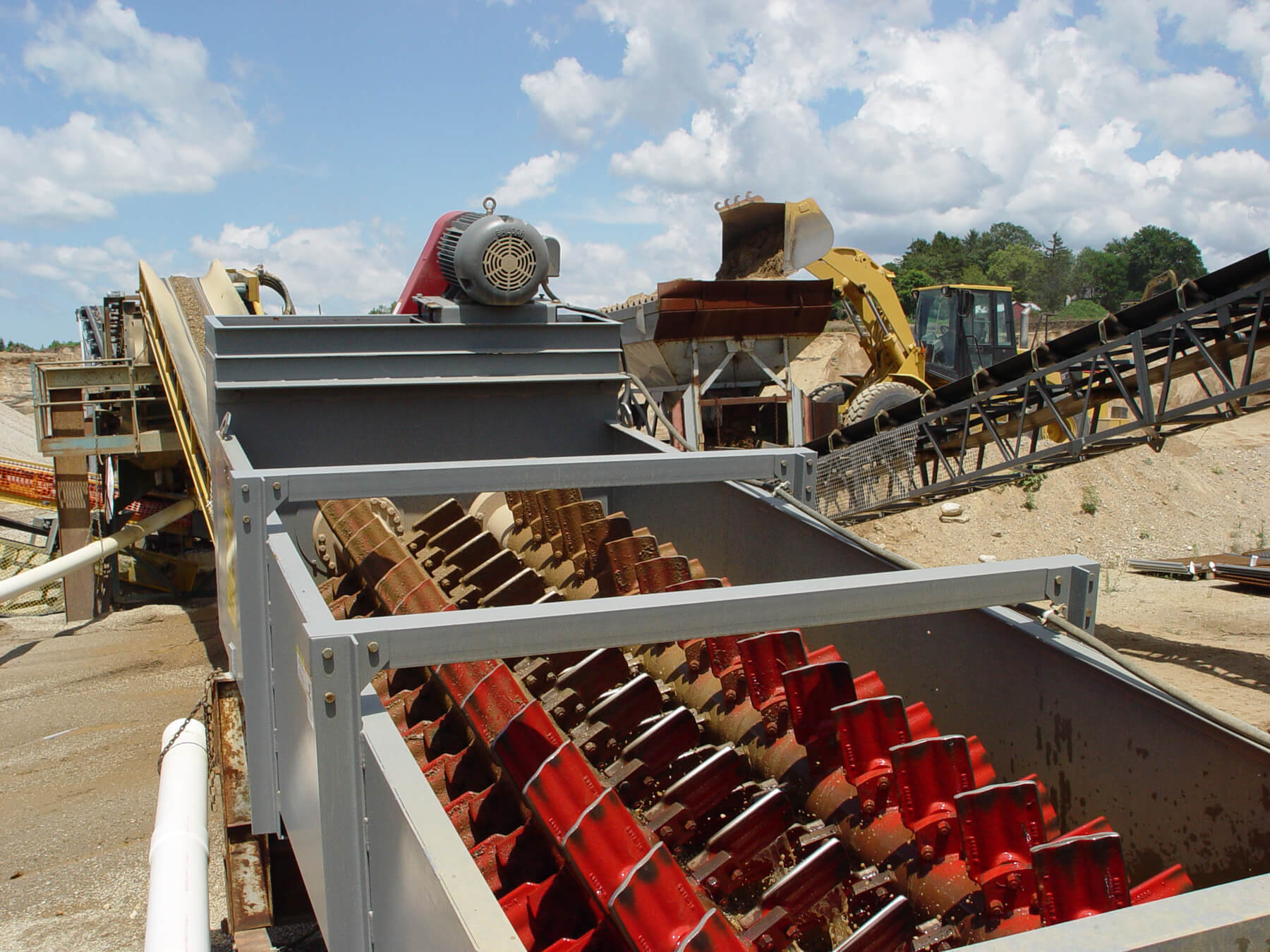
Maintaining your Sol-Clay Washer helps to prevent costly downtime and ensures efficient clay removal. To keep your machine running at peak performance, it is best practice to consider performing daily (or per-shift), weekly, monthly, quarterly, semi-annual and yearly inspections.
Daily (or per shift) checks could include:
- Lubricate all applicable components and ensure all components are receiving adequate lubrication
- Remove any debris from the tub
- Inspect reducers, bearings and motors for excessive heat
- Inspect cables and water lines for damage or leaks
- Check belts for tension/alignments and confirm all guards are in place.
Weekly (every 40 hours) checks:
- Tighten motor bolts
- Inspect belt tension and alignment
- Look for loose bolts anywhere on the machine
- Inspect gear reducer oil levels and check seals for leaks
Less frequent maintenance checks:
- Inspect all mounting spuds and paddles (monthly or every 250 hours)
- Check weir overflow for any out-of-level conditions (monthly or every 250 hours)
- Lubricate the outboard bearing (quarterly or every 500 hours)
- Sample the oil in the drive reducer (semi-annually or every 1,000 hours)
- Address any worn areas in the tub (yearly or every 2,000 hours)
A structured maintenance plan, starting with thorough daily checks and followed by weekly inspections, keeps your Sol‑Clay Washer operating at peak performance, preserves scrubbing efficiency, and helps avoid unscheduled downtime.
11 Maintenance Tips for Your Coarse Material Washer
Coarse Material Washers are designed to efficiently clean rock by scrubbing deleterious materials from gravel or crushed stone feeds. They provide light to moderate scrubbing and washing to remove soluble clays and dust coatings found in natural and crushed stone applications. Because it is important for deleterious materials to be removed to create a clean, final product, your Coarse Material Washer should be performing at the highest level.
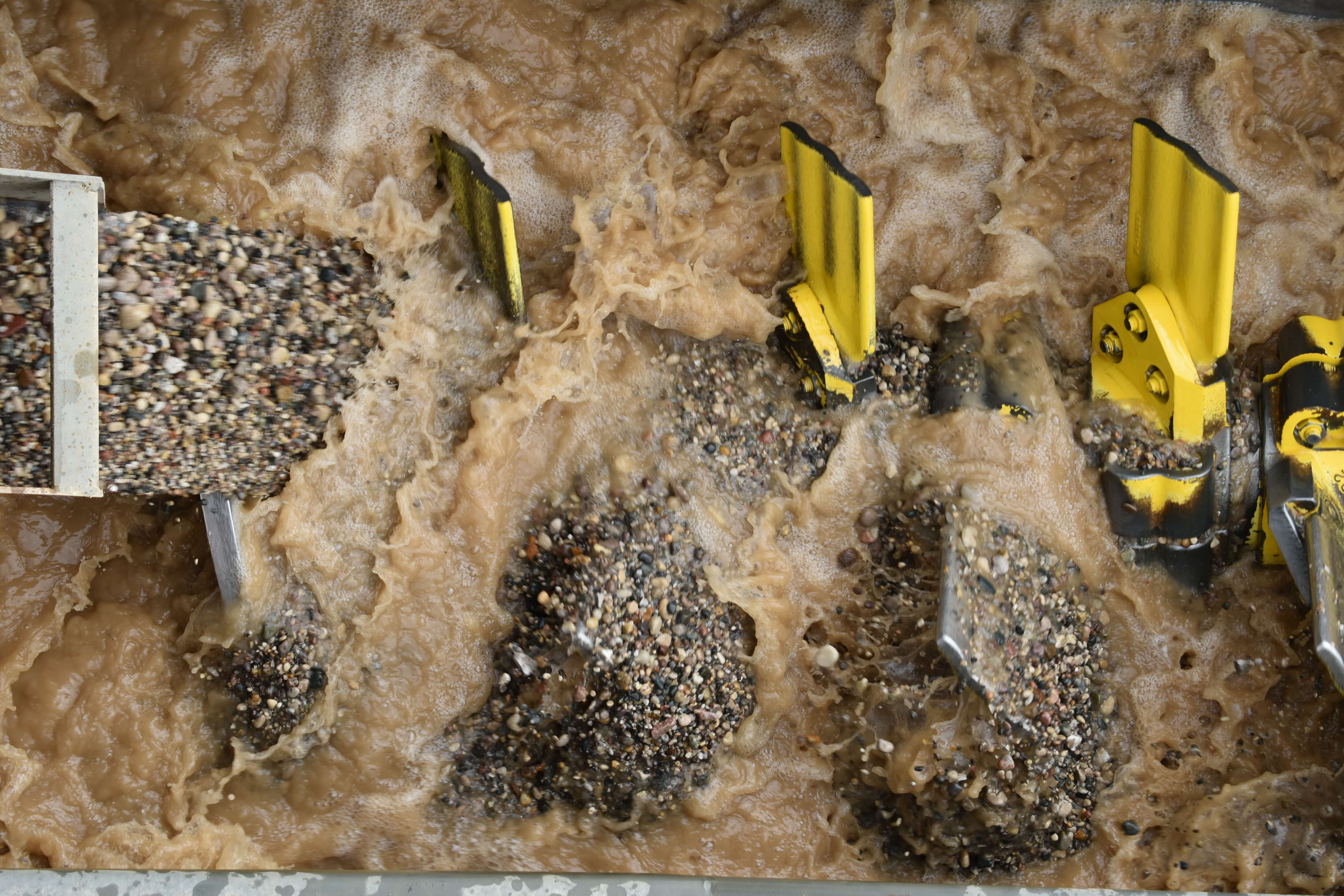
Performing routinely scheduled maintenance is one of the best ways to ensure your equipment runs at peak performance. Below are 11 maintenance tips to keep your Coarse Material Washer running efficiently.
- Check the oil level on a regular basis – Check the oil level of your Coarse Material Washer when the machine is in operating position but not running. The oil level should be at the pipe plug opening on the front of the gear case.
- Check bearings and motors for excessive heat and noise – Bearings and motors should be checked for excessive heat once per shift.
- Perform daily, weekly, monthly, quarterly, six-month and yearly inspections – Scheduling daily, weekly, monthly, quarterly, six-month and yearly inspections allows you to make the most of your time while still maintaining your machine.
- Inspect the washer tub for debris – Remove any material that could cause issues with start up or rotation.
- Inspect v-belts for proper tension and alignment – Check the V-belts for wear or fraying that may indicate improper alignment or tension.
- Inspect the rubber cover protecting the spider flanges on the drive member – Replace the rubber cover if there are any rips or holes.
- Remove excess grease from outboard bearing vent opening relief slot – Be sure to keep the relief slot open to prevent failure.
- Inspect the wear shoes and paddles for wear – Worn shoes and paddles could result in loss of production.
- Keep a stock of replacement parts for wear items – Some common wear parts to keep in stock could include bearings, V-belts, wear shoes and paddles.
- Make sure that all applicable guards are in place – No equipment should be run without all the guards in place.
- Stick to the maintenance schedule – Following a routine maintenance schedule also allows you to analyze wear patterns on certain components and plan for their replacement.
Top 6 Mistakes to Avoid When Optimizing Your Fine Material Washer
Fine Material Washers are used for washing, classifying and dewatering sand in aggregate wet processing applications. The rotating shaft of a Fine Material Washer causes feed material to tumble, providing particle-on-particle attrition. This allows deleterious coatings to be removed from the solids and discharged with the overflowing wastewater.
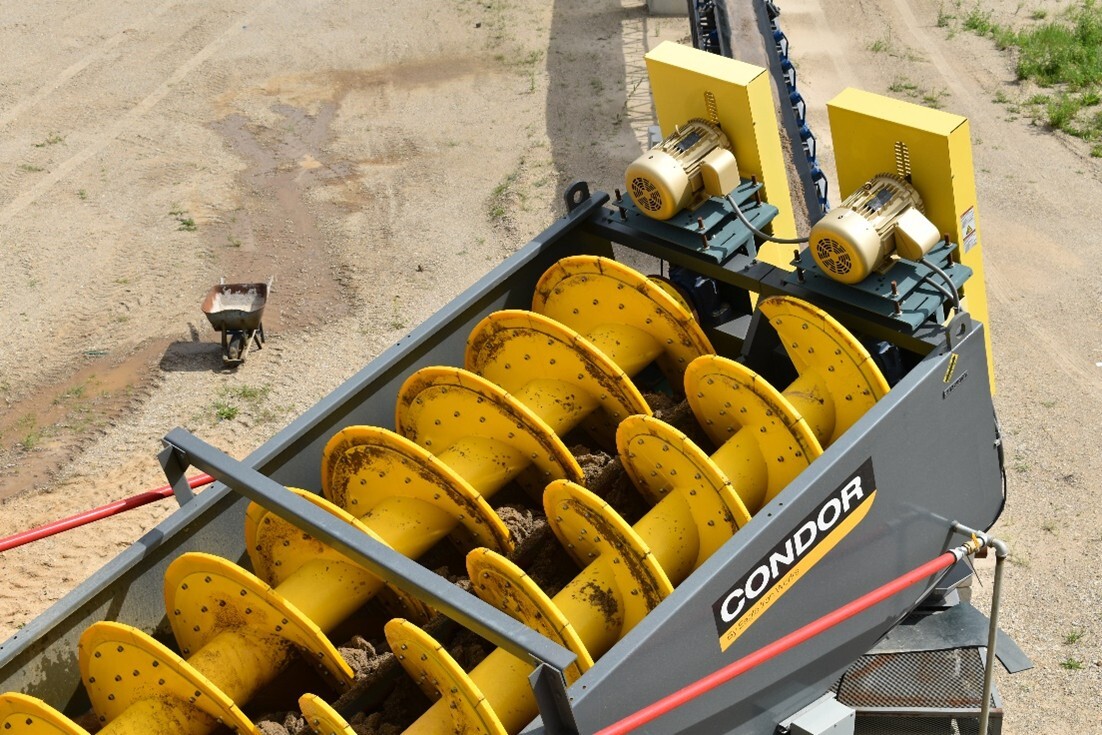
While the basic operating principles of Fine Material Washers are simple to follow, you must consider various factors when optimizing these pieces of equipment. Proper operation is key for efficient classification and dewatering with Fine Material Washers. Below are some mistakes to avoid.
- Excessive screw speed – Fine material takes longer to settle out in the wash tub and needs a slower screw speed to do so. Excessive speed can cause valuable fines to overflow the weirs with the wastewater.
- Not using enough water – Supplying too little water to your Fine Material Washer can cause a loss of fines or a buildup of material in the pool area of the machine.
- Incorrect weir height for your operation – Whether you are trying to achieve maximum fines retention or remove additional fines, it is important to determine which weir height combination is best for your desired result.
- Improper feeding – From material buildup to poor classification, improper feeding can cause numerous problems. To avoid this, make sure to feed your Fine Material Washer based on its capacity and size.
- Ignoring routine maintenance and inspections – Routine maintenance and regular inspections are the best way to prevent unexpected downtime.
- Not using rising current water – Adding rising current water helps to improve the classification process by allowing product-sized particles to settle out, while ultra-fines remain in suspension.
Maintenance Tips and Best Practices for Classifying Tanks
Classifying Tanks are used not only to wash and classify sand, but also to scalp off excess water from a sand feed and to make multiple products from a single feed. They process high tonnages to economically and efficiently keep construction grade sands in specification.
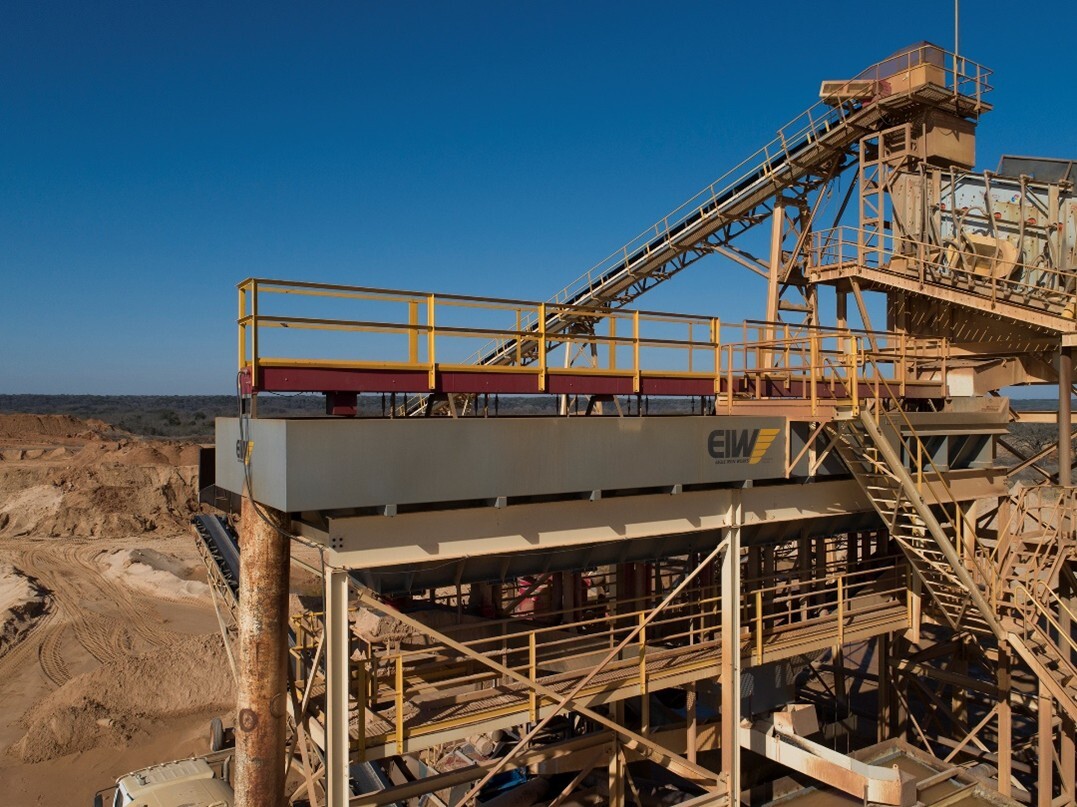
As with any piece of equipment, maintaining your Classifying Tank is crucial for optimizing its function and reducing unexpected downtime. Below are some maintenance and operation tips to best optimize your plant.
- Ensure you have enough water – Water can be added to the Classifying Tank with the solids feed entering as a slurry, in the Rising Current Classifier manifold or with a recirculating pump. The two rules of thumb for determining how much water you need for your Classifying Tank are:
- A Classifying Tank requires 100 U.S. gpm of water per stph of silt feed
- A Classifying Tank requires 10 U.S. gpm of water per stph of sand solids feed
- Consider adding rising current – Injecting water through the Rising Current aids in the best classification of coarse, immediate and fine sands. This helps producers have greater control over their final product gradations more efficiently.
- Leveling weirs – Leveling or setting the weirs allows for good sand classification and silt removal. Adjustable weirs should be set level so that each side has equal overflow depth.
- Sensing paddle height setting – Because coarse sand readily flows very fast as opposed to ultra-fine sand, the paddle height is typically set highest in the first three stations and slightly lower in the latter stations.
- Performing routine maintenance – Following a maintenance schedule and performing routine inspections can help reduce unexpected downtime with your Classifying Tank.
Properly maintaining and operating your aggregate washing equipment is essential to keeping it running at peak performance. By following the tips and best practices outlined in the blogs featured here, you can improve efficiency, extend equipment life, and reduce the risk of costly, unexpected downtime. Making maintenance a priority not only protects your investment, but also helps ensure consistent, reliable operation across your entire washing circuit.